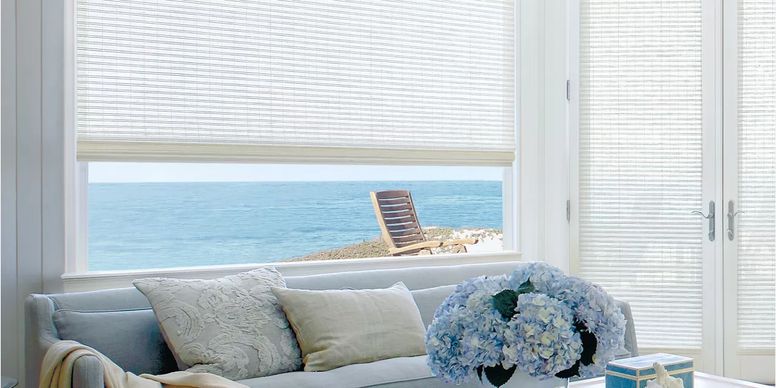
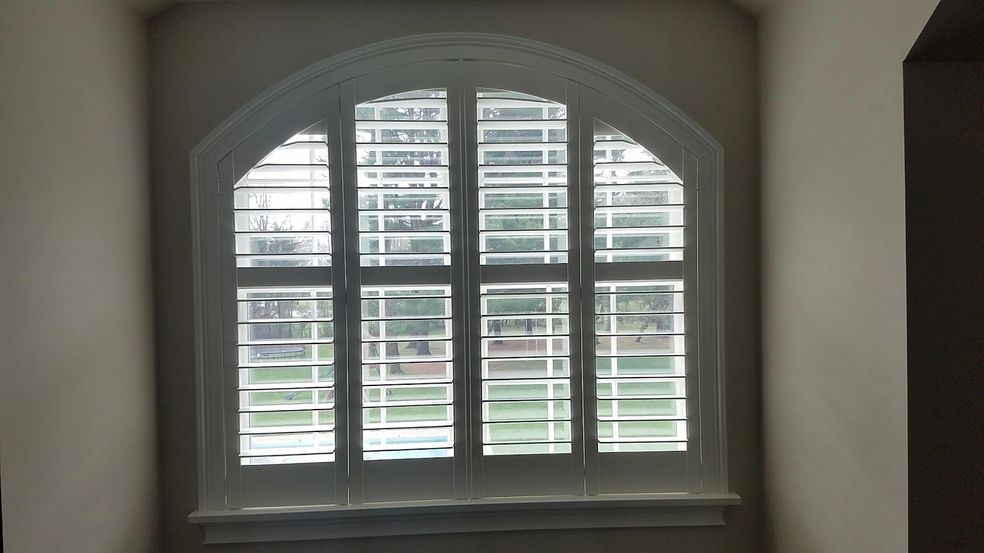
Choosing between blinds and shutters for your Long Island home this fall is more than a style decision. You want window treatments that balance light control, privacy, and insulation as the seasons change. Understanding the key differences in maintenance and energy efficiency helps you pick the right fit. Let’s explore how Long Island blinds and shutters can refresh your home’s look while keeping it comfortable this season. Schedule your in-home consultation with LNG Blinds to get started.
Choosing Blinds or Shutters
Finding the right window treatment for your home involves understanding the differences between blinds and shutters. Let’s look at the key areas to help you make an informed decision.
Light Control and Privacy
Blinds and shutters each offer distinct advantages when it comes to light control and privacy. Blinds, with their adjustable slats, give you precise control over how much light enters your room. You can tilt them to allow natural light in while maintaining privacy. On the other hand, shutters provide a more robust option for privacy and light management. Plantation shutters, popular on Long Island, allow you to open or close louvers to achieve your desired level of light and seclusion.
If your primary concern is privacy, consider how visible your windows are from the outside. Blinds, especially wood blinds, can be drawn to minimize visibility, while shutters can be adjusted to block views while letting in light. Both options offer excellent solutions, but the choice between blinds and shutters might come down to your specific privacy needs and personal preference.
Style and Aesthetic Options
Your window treatments can significantly impact the overall look of your home. Blinds come in various materials and finishes, such as wood, faux wood, and aluminum, allowing you to customize them to suit your home’s decor. Shutters, particularly composite shutters, provide a classic and timeless appeal, with the added benefit of being available in multiple colors and styles.
If you’re aiming for a more traditional and elegant aesthetic, shutters might be the way to go. They can add value to your home and are often seen as a long-term investment. For those who prefer a modern or minimalist look, blinds might be the better choice, offering sleek lines and a range of colors and finishes to match your home’s design.
Maintenance and Durability
When considering the longevity and upkeep of window treatments, both blinds and shutters have their benefits. Blinds, especially those made from durable materials, can be easy to clean with a simple dusting or wipe-down. They are often lighter and easier to install or replace if needed. However, they might not withstand heavy wear as well as shutters.
Shutters, known for their durability, require less frequent replacement and can add insulation to your windows. They are generally easier to maintain over time, with occasional cleaning needed to keep them looking fresh. If you desire low-maintenance window treatments that stand the test of time, shutters might be the ideal choice for your home.
Energy Efficiency for Fall
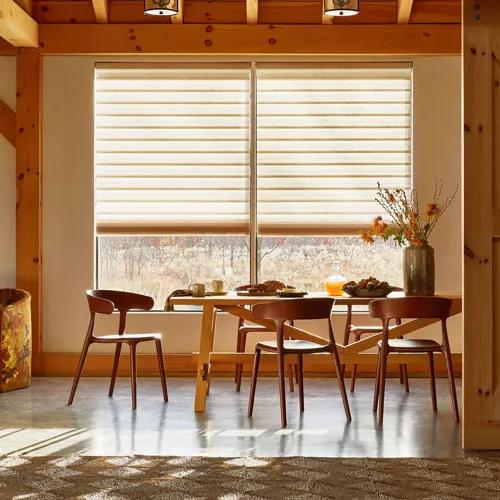
As the weather cools, energy efficiency becomes crucial in your home. Blinds and shutters offer distinct benefits in this area as well.
Insulation Benefits
Both blinds and shutters can help insulate your home, reducing energy costs by keeping heat in during the colder months. Cellular shades, known for their excellent insulation properties, trap air within their cells, providing a barrier against temperature changes. Shutters, particularly composite varieties, also offer insulation due to their sturdy construction and ability to fit snugly against windows.
Consider the placement of your windows when choosing window treatments for insulation. If your windows face the sun for most of the day, cellular shades can help keep your room cooler. For windows that lose heat, shutters might provide the extra insulation you need to maintain a comfortable indoor temperature.
Tax Credits and Savings
Investing in energy-efficient window treatments can also lead to financial savings. Some cellular shades may qualify for a Federal Tax Credit of up to $1,200, giving you a monetary incentive to improve your home’s energy efficiency. Choosing energy-efficient options not only saves you money but also contributes to a more sustainable environment.
When evaluating your options, look at the potential cost savings from reduced energy bills. Both blinds and shutters can contribute to lower utility costs, but the eligibility for tax credits can make cellular shades an appealing choice for budget-conscious homeowners.
Professional Guidance and Installation
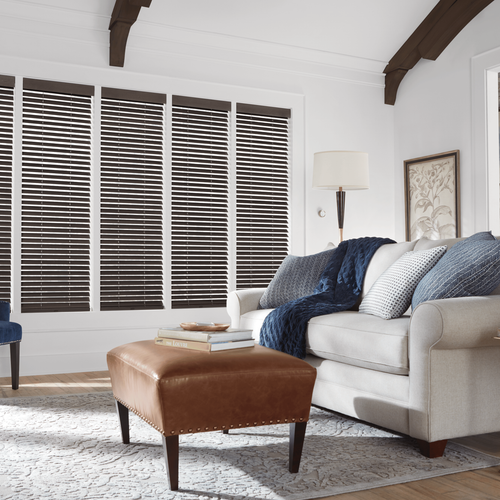
Choosing the right window treatment can be overwhelming, but professional guidance can simplify the process.
In-Home Consultation Benefits
A personalized consultation can make all the difference when selecting window treatments. By scheduling an in-home consultation, you can receive tailored advice from experts who understand the specific needs of homes in Nassau and Suffolk County. This service allows you to see how different options look in your own space and ensures that your choices meet your style and functional requirements.
Professional consultation also offers peace of mind. You’ll feel confident knowing that your window treatments are selected and measured accurately, providing a perfect fit for your windows and enhancing your home’s overall appearance.
Expert Measurement and Recommendations
Accurate measurements are crucial for the proper installation and functionality of your blinds or shutters. Professional installers from LNG Blinds ensure that your window treatments are precisely measured and fitted to your windows, avoiding common DIY mistakes. With expert recommendations, you can be assured that you’re choosing the best option for your specific needs and that your investment will last.
By engaging with professionals, you gain access to a wealth of knowledge and experience, ensuring that your window treatments not only look great but also function optimally. This expert touch can be invaluable in preventing costly errors and ensuring long-lasting satisfaction with your window treatments.
Frequently Asked Questions
What are the main differences between blinds and shutters?
Blinds offer adjustable slats for precise light control, while shutters provide a more solid structure for enhanced privacy and insulation. Both have unique aesthetic and functional advantages.
How can window treatments improve energy efficiency?
Window treatments like cellular shades and shutters can help insulate your home by reducing heat loss through windows. This can lower energy bills and improve indoor comfort.
Are there any financial incentives for energy-efficient window treatments?
Yes, some cellular shades may qualify for a Federal Tax Credit of up to $1,200, providing financial savings for homeowners who choose energy-efficient options.
What are the benefits of an in-home consultation for window treatments?
An in-home consultation provides personalized advice and ensures that your window treatments are accurately measured and suited to your home’s style and needs.
How do professional installations differ from DIY solutions?
Professional installations offer precise measurements, expert recommendations, and quality assurance, ensuring that your window treatments fit perfectly and function smoothly.